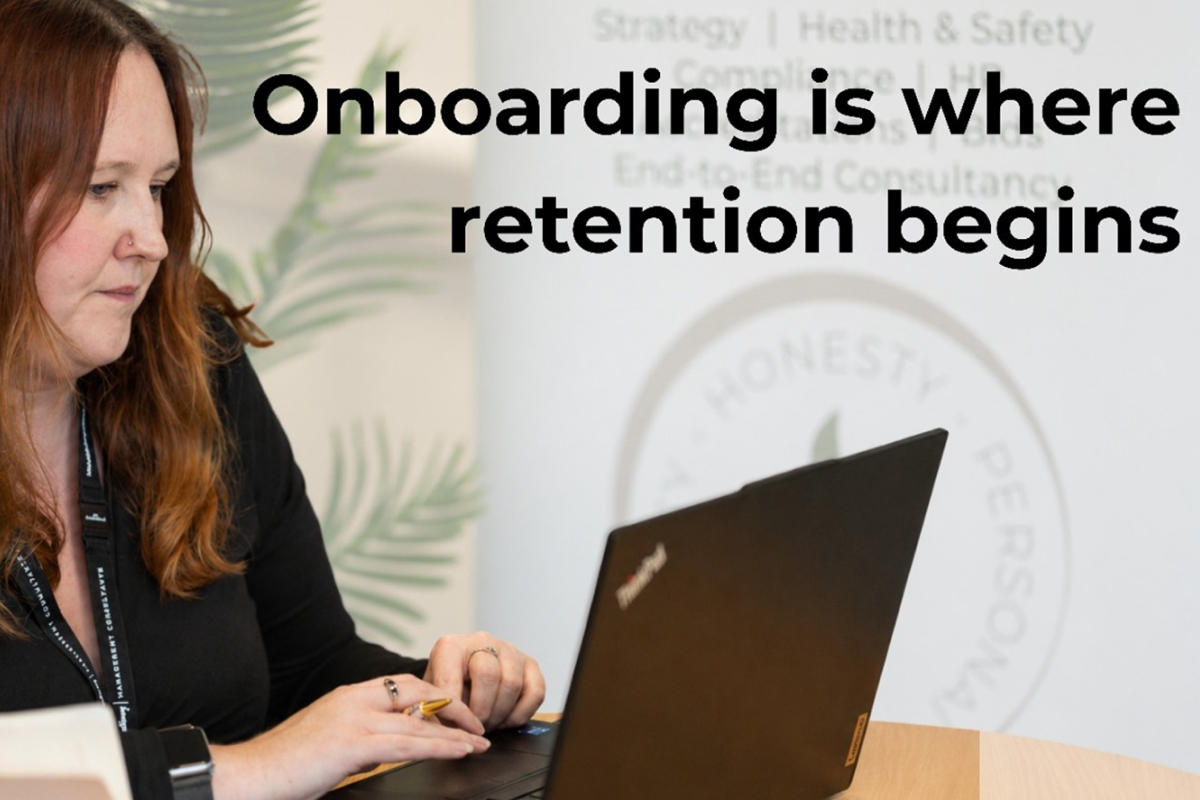
In today’s competitive labour market, attracting talent is only half the challenge- retaining and enabling that talent to perform at their best is where organisations truly succeed or fail. At the heart of this sits one often underestimated process: employee onboarding.
A well-designed onboarding experience is not simply an administrative exercise. It is a strategic opportunity to set expectations, build engagement, and lay the foundations for long-term success.
First Impressions Matter
The onboarding process shapes an employee’s perception of your organisation from day one. A disorganised or impersonal experience can quickly lead to disengagement, while a structured and welcoming approach builds confidence and trust.
Employees who feel supported from the outset are far more likely to:
- Develop a strong connection to the organisation
- Understand their role and expectations clearly
- Integrate effectively into the team
This early experience often determines whether a new hire sees a future with the business.
The Link Between Onboarding and Retention
Research consistently shows that poor onboarding is a key driver of early attrition. Employees who feel unclear about their role, unsupported, or disconnected are significantly more likely to leave within the first 6–12 months.
Effective onboarding, on the other hand:
- Reduces early turnover
- Strengthens employee engagement
- Builds organisational commitment
Retention is not just about keeping people but about ensuring they want to stay. Onboarding is where that decision making process will begin.
Enabling High Performance from the Start
Beyond retention, onboarding plays a crucial role in how quickly and effectively employees reach full productivity. A strong onboarding programme should:
- Provide clarity on responsibilities and success measures
- Offer structured training and development
- Facilitate early feedback and regular check-ins
- Equip employees with the tools and knowledge they need
When employees understand what “good” looks like and feel supported in achieving it, they are far more likely to perform to a high standard.
Building Connection and Culture
One of the most overlooked aspects of onboarding is the social and cultural integration of new hires. Feeling part of a team and aligned with organisational values will have a direct impact on engagement and performance.
Employers should focus on:
- Creating opportunities for meaningful introductions and relationships
- Communicating company values in a practical, lived way
- Encouraging early collaboration and inclusion
A sense of belonging is a powerful driver of both retention and performance.
The Role of Managers
Line managers are central to the success of onboarding and even the best-designed processes will fall short without active manager involvement.
Managers should:
- Set clear expectations from the outset
- Hold regular one-to-one meetings
- Provide constructive feedback and recognition
- Take ownership of the employee’s integration and development
Onboarding should not end after the first week—it is an ongoing process that can span the first 3–6 months (or longer).
A Strategic Investment, Not an Administrative Task
Too often, onboarding is treated as a checklist of tasks to complete before “real work” begins. In reality, it is a critical business process that directly impacts:
- Employee retention
- Time to productivity
- Engagement and morale
- Overall organisational performance
Organisations that invest in onboarding see measurable returns in both people and business outcomes.
A positive onboarding experience sets the tone for an employee’s entire journey. It builds confidence, fosters engagement, and equips individuals to succeed. In a landscape where talent retention is increasingly challenging, organisations cannot afford to overlook the importance of getting onboarding right. It is not just about welcoming new starters, it is about enabling them to thrive.