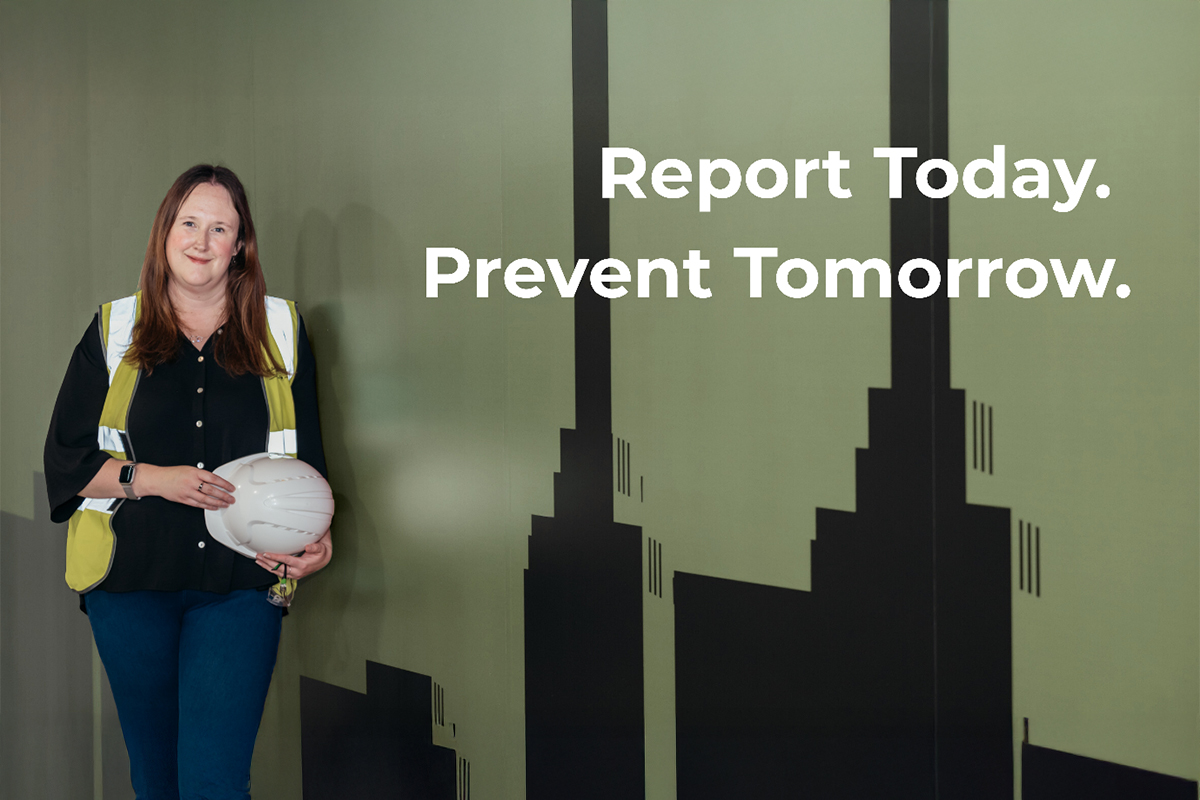
At McLeish Consultancy, we work with organisations to build strong safety cultures. A key part of this is ensuring employees and leaders alike understand the importance of accident reporting and the distinctions between different types of events.
Why? Because how we report today can prevent the accidents of tomorrow.
Defining the Terms
To build a consistent and effective reporting culture, it’s vital to be clear on what we mean by:
- Near Miss – An unplanned event that did not result in injury, illness, or damage, but had the potential to do so.
Example: A worker slips on a wet floor but regains balance without falling. - Accident – An unplanned event that results in injury, illness, damage to property, or environmental harm.
Example: A worker falls from a ladder and breaks a leg. - Dangerous Occurrence – A specific incident that does not necessarily cause harm, but is of a serious nature and is legally reportable under RIDDOR.
Example: The collapse of scaffolding or lifting equipment, even if no one is injured.
Each type of event carries different reporting requirements, but all should be logged internally. Near misses may only require internal reporting, accidents often require legal reporting, and dangerous occurrences are always reportable. By acting on all three, organisations can identify risks, prevent recurrence, and build safer workplaces.
Why Reporting Matters
Accident reporting isn’t just about compliance. It’s about learning, prevention, and accountability. Near misses, for example, are often overlooked; but they’re one of the most valuable sources of information for spotting risks before harm occurs.
Encouraging people to report helps organisations to:
- Identify hidden hazards.
- Improve risk assessments and training.
- Strengthen legal compliance and due diligence.
- Demonstrate care and responsibility toward employees.
Linking to Behavioural Safety
For reporting to be effective, behaviour matters. Employees must feel confident to speak up about incidents, without fear of blame or being ignored. That’s why accident reporting connects so closely with behavioural safety: encouraging responsibility, recognising positive reporting, and embedding a culture of learning.
For more on building a strong speak-up culture, see our recent blog on Creating a Compliant & Responsible Speak-Up Culture.
Final Thoughts
Clear definitions, consistent processes, and a culture that values reporting are the foundations of a safer workplace. By understanding and acting on accidents, near misses, and dangerous occurrences, organisations can move beyond compliance to prevention—protecting people, reputation, and business continuity.
Need Support? If you’d like advice on strengthening your accident reporting procedures or aligning your safety culture with behavioural best practice, we’d be happy to help.