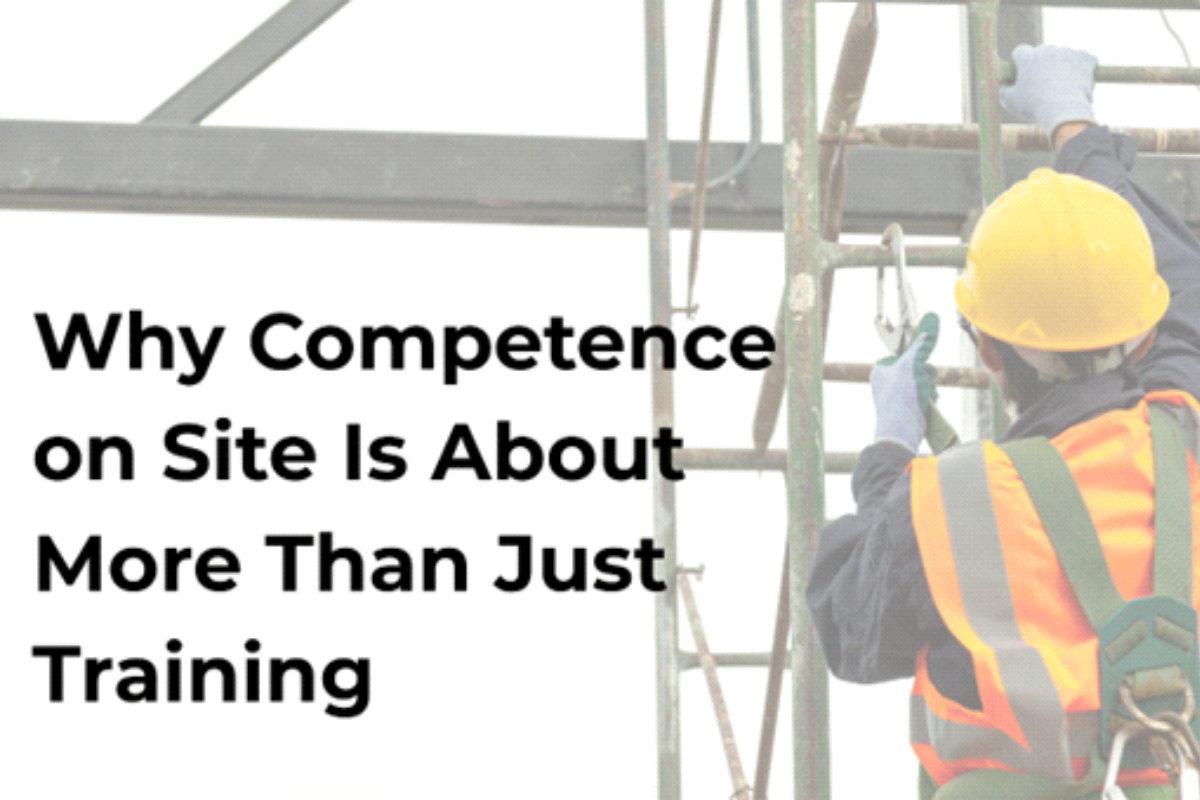
The Health and Safety Executive (HSE) regularly investigates incidents across the construction sector where inadequate training, supervision or risk assessment has led to serious injuries.
These cases often highlight an important but sometimes overlooked point: competence is about far more than simply completing a training course.
A Real Example from HSE Investigations
In one case investigated by the HSE, a construction worker suffered serious injuries after falling through a fragile roof panel while carrying out maintenance work.
The investigation found that the worker had not received adequate training for working at height, and there were insufficient controls in place to prevent access to fragile roof areas. The risks associated with the task had not been properly assessed, and appropriate supervision and safety measures were missing.
As a result, the company responsible was prosecuted and received a significant financial penalty along with legal costs.
Incidents like this demonstrate how quickly things can go wrong when training, planning and supervision are not properly aligned.
Training Alone Does Not Equal Competence
One of the key messages repeated throughout HSE guidance is that competence cannot be defined by a certificate alone.
True competence comes from the combination of:
- Knowledge of the risks involved in the work
- Appropriate training and instruction
- Practical experience
- Effective supervision and safe systems of work
When any of these elements are missing, the risk of incidents increases significantly.
Why This Matters for Construction Businesses
Construction environments are inherently high risk. This is why legislation such as the Health and Safety at Work Act, the Management of Health and Safety at Work Regulations, and the Construction (Design and Management) Regulations (CDM) place clear duties on employers to ensure workers have the necessary skills, knowledge, training and experience to carry out their work safely.
More recently, the Building Safety Act has placed even greater emphasis on competence across the construction supply chain.
For businesses, this means training should be viewed as part of a wider competence strategy, rather than a one-off activity.
Building a Culture of Competence
Investing in competence doesn’t just help businesses meet legal obligations. It also strengthens safety culture, reduces risk, and protects both people and reputation.
Effective organisations regularly review their training programmes, ensure workers understand the risks associated with their roles, and provide the support and supervision needed to carry out tasks safely.
Ultimately, ensuring teams are properly trained and competent protects workers, businesses and the wider industry.